Reflecting on five years of ACF’s impact investing
Over $1.8 million has been invested into regional businesses, nonprofits, projects, and families.
LAKE PLACID — Since 2021, Adirondack Community Foundation has been practicing “place-based impact investing,” which is the practice of making investments in our communities to generate positive social, economic, or environmental impact alongside financial return.
Rural areas are highly disinvested, so every dollar that is directed towards these areas is highly catalytic. We invest up to 3% of our investable assets in key areas: small business development, attainable housing, lower cost transportation loans, businesses in transition, and livable communities.
So what does that look like?
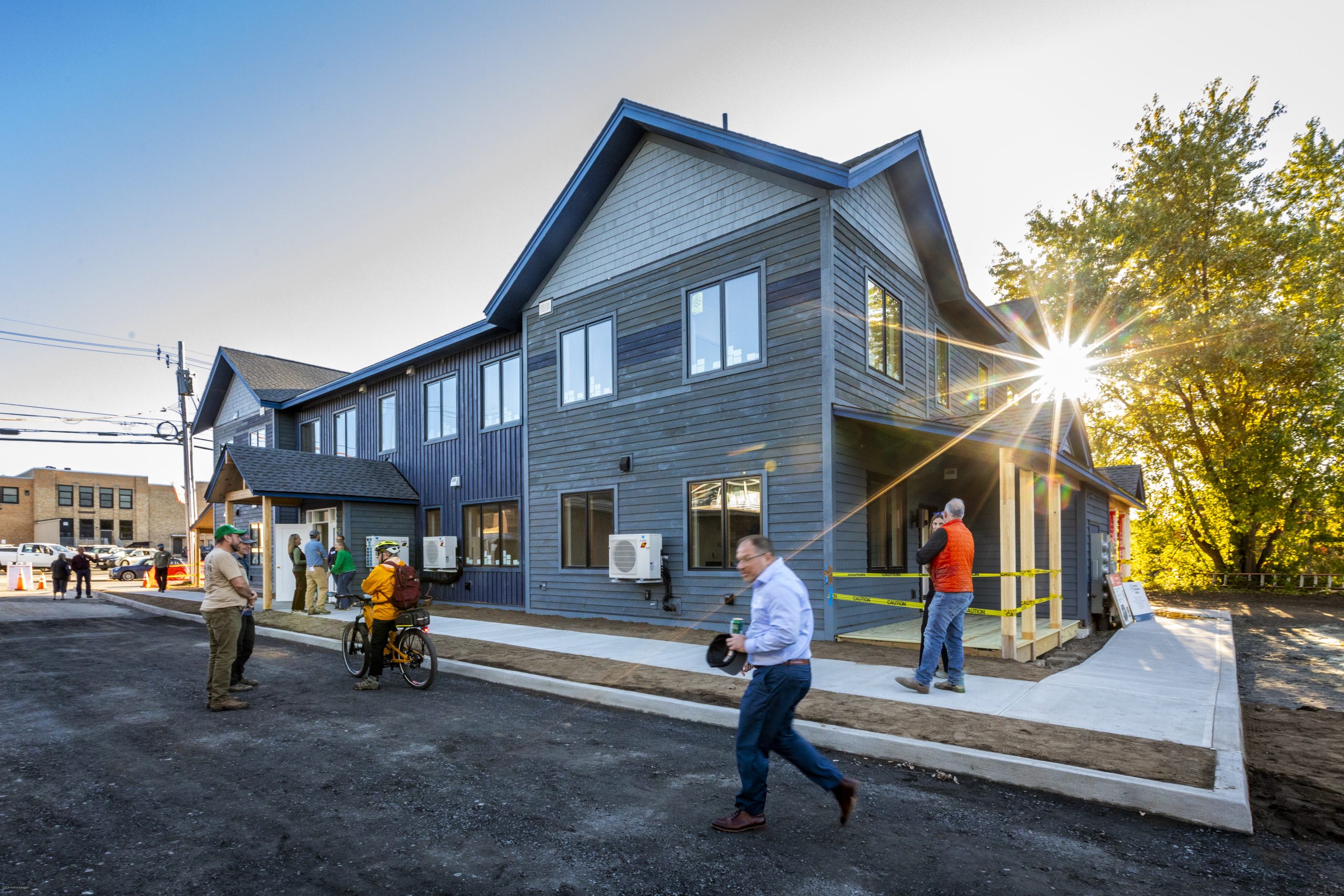
Since 2012, ACF has invested more than $1.8 million into the region, through loans for workforce housing projects in Tupper Lake and Lake Placid, 26 small business loans that have collectively retained or created 46 jobs, six bridge loans to nonprofits, and 13 low-interest car loans.

One of our partners, Adirondack Economic Development Corporation, which has provided 21 small business loans and six nonprofit bridge loans through the Adirondack Opportunity Fund, says “loan growth is being driven by a higher need for capital among small business owners, growing demand for bridge financing from nonprofits, as well as expansion into the housing space and other strategic areas in the region.”
Adirondack Community Foundation donors at every scope and size make impact investing possible, as ACF collectively invests up to 3% of ACF’s main asset pool.
This fall, another workforce housing project supported by an ACF loan broke ground in Lake Placid; Homestead Development Corporation’s Fox Hill project began sitework for 22 single-family homes that will eventually be sold as deed-restricted workforce housing. The homes are projected to cost $260,000 per unit.